Belzona 1391S/T Selected Over Fusion-Bonded Epoxy for Sour Gas Pipeline Protection
Industry: Oil & Gas (OILG)
Application: VPF-Valves, Pipes and Fittings (VPF)
Substrate: Carbon steel
Customer Location: Northern Area, Saudi Arabia
Application Date: 2025
Products: Belzona 1391S,Belzona 1391T
Problem: A major oil and gas company initiated the construction of new gas processing facilities in collaboration with an EPC contractor. As part of the project, internal lining was required for 72 inch and 52 inch diameter pipelines designed to handle sour gas service at a maximum operating pressure of 175 psi and a temperature of 70°C.
A fusion-bonded epoxy (FBE) internal coating system was initially specified. However, due to the large diameter and weight of the pipes, no contractor was able to undertake the application.
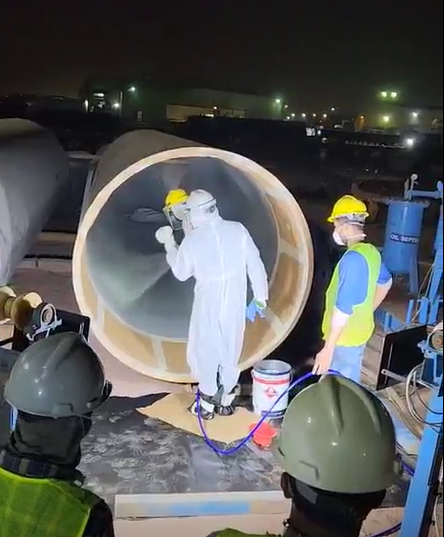
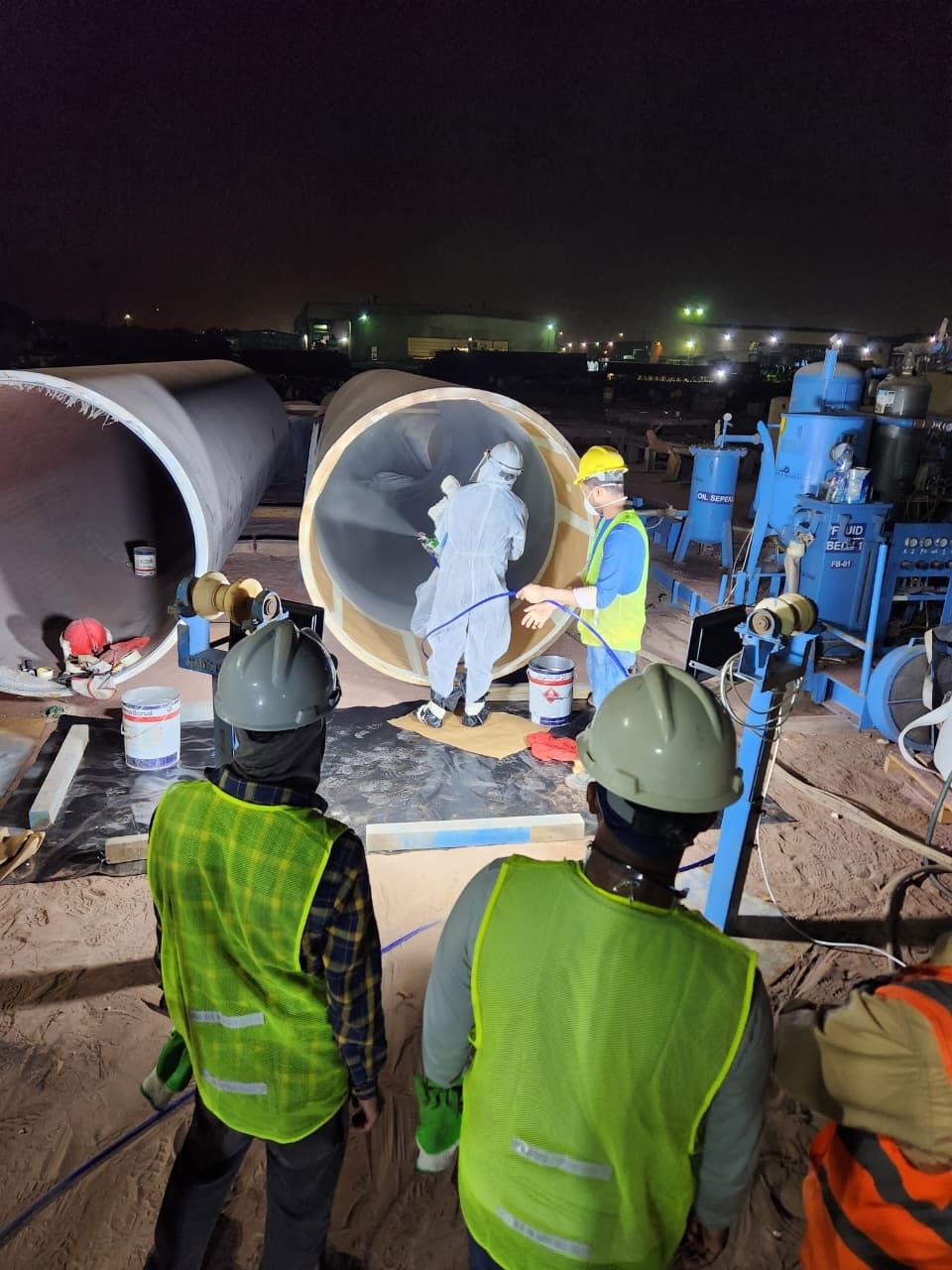
Spray Application of Belzona 1391S in Progress
Belzona 1391S was applied using a spin spray technique.
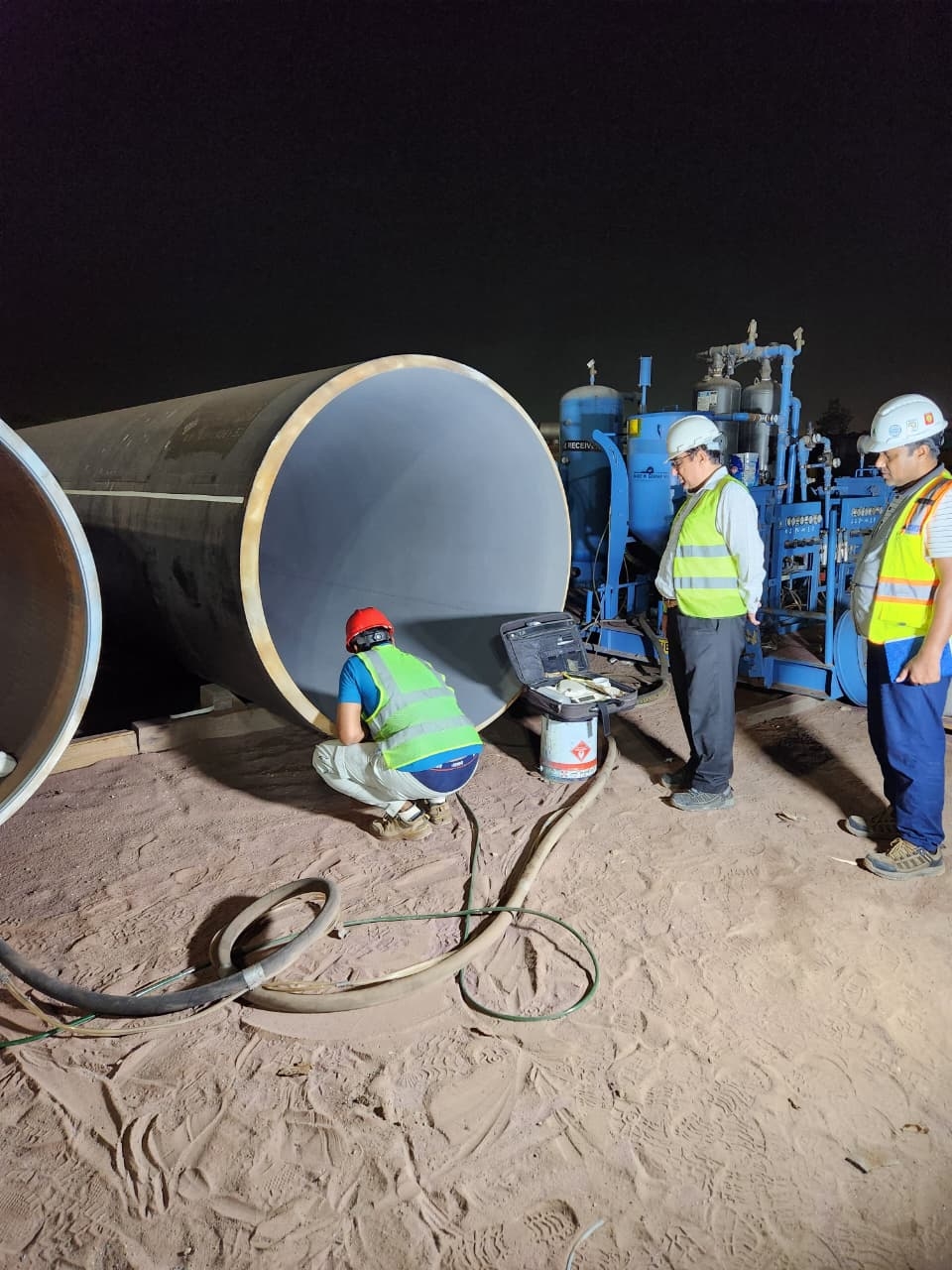
Quality assurance inspections were conducted.
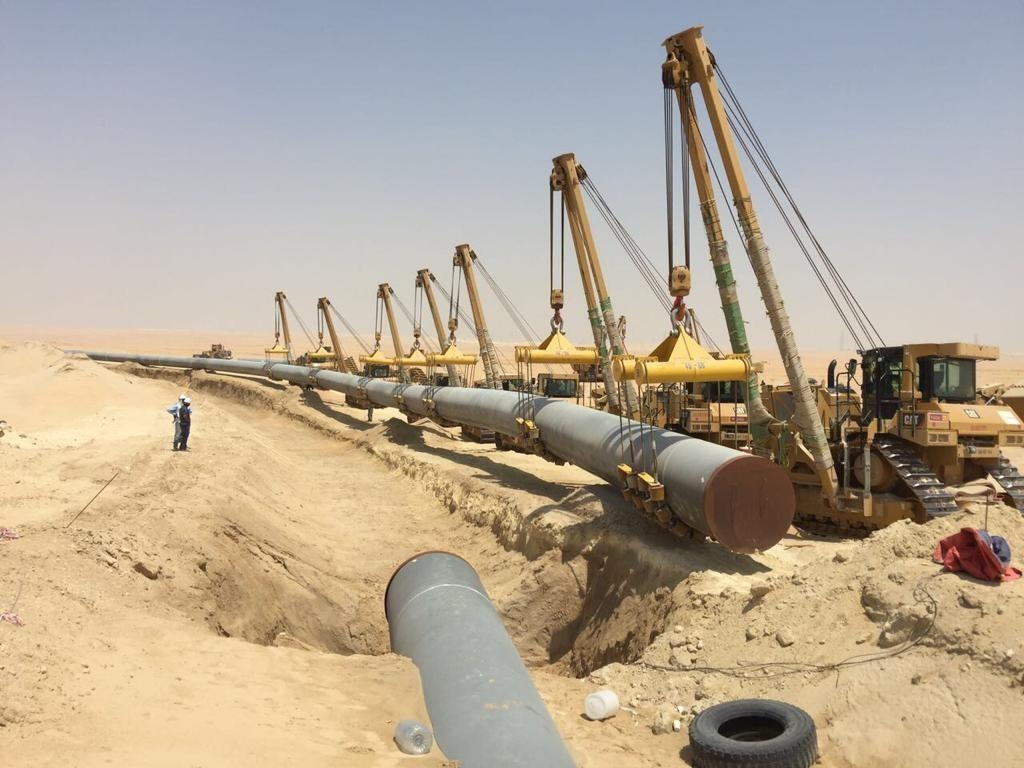
Installation of the Coated Pipeline
Application Situation
The application was carried out on pipelines designed for sour gas service.
Due to the large pipeline diameters and limitations in the availability of resources for conventional fusion-bonded epoxy (FBE) coating, the client required an alternative internal coating system that could be applied directly on-site. The proposed solution needed to be practical for large-diameter pipelines while providing the required level of corrosion protection under sour gas service conditions.
Belzona 1391S was therefore proposed as an alternative solution due to its sprayable application method and corrosion-resistant properties.
To validate the suitability of the proposed system, a trial application was conducted on-site. The trial was successfully completed, demonstrating that the system could be applied effectively under the project conditions. Following the successful trial, the client approved Belzona 1391S for use in the project.
Application Method
Application Procedure and Quality Control
1. Surface Preparation
Surface preparation was carried out by abrasive blasting to achieve a minimum surface profile of 75 microns and a surface cleanliness level of Sa 3 in accordance with ISO 8501-1 and the Belzona 1391S Instructions for Use.
2. Surface Preparation Verification
Following surface preparation, quality verification checks were conducted to ensure that the substrate was suitable for coating application. These included soluble salt contamination testing in accordance with the relevant ISO 8502 standards, dust assessment in accordance with ISO 8502-3, and verification of surface temperature, relative humidity, and dew point conditions. All parameters were checked against the applicable requirements to ensure suitable application conditions and promote optimal coating adhesion and long-term performance.
3. Coating Application Method
Belzona 1391S was applied using a plural-component spray machine (Graco XM 70).
4. Coating Application and Curing
Belzona 1391S was applied as a two-coat system, achieving a total dry film thickness (DFT) of 600–800 microns. The applied coating was then allowed to cure in accordance with the Belzona 1391S Instructions for Use and the specified project requirements.
5. Final Inspection and Quality Assurance
Upon completion of the application and curing process, a final inspection was conducted to verify the integrity and quality of the coating system. Inspection activities included visual examination, holiday testing, identification of pinholes, runs, missed or insufficiently coated areas, and dry film thickness (DFT) measurements.
Any identified defects or areas that did not meet the specified requirements were subject to corrective action before final acceptance.
Belzona Facts
The customer selected Belzona 1391S because it addressed both the technical performance requirements and practical application challenges. Its sprayable properties enabled on-site application, eliminating the need for the oven-curing process associated with conventional fusion-bonded epoxy (FBE) coatings, which was impractical for large-diameter pipelines.