Can filler support frame protected with Belzona 4341
Industry: Food & Drink (FOOD)
Application: TCC-Tanks and Chemical Containment Areas (TCC)
Substrate: Other
Customer Location: Manchester
Application Date: March 2026
Products: Belzona 4341 (Magma CR4)
Problem: Customer has a filler line that is regularly subjected to chemical cleaning processes. The upper section of the line is constructed from stainless steel and operates to a high standard. However, the support frame is manufactured from cast material and was installed prior to the stainless steel upgrade and is now exhibiting signs of corrosion due to repeated chemical attack.
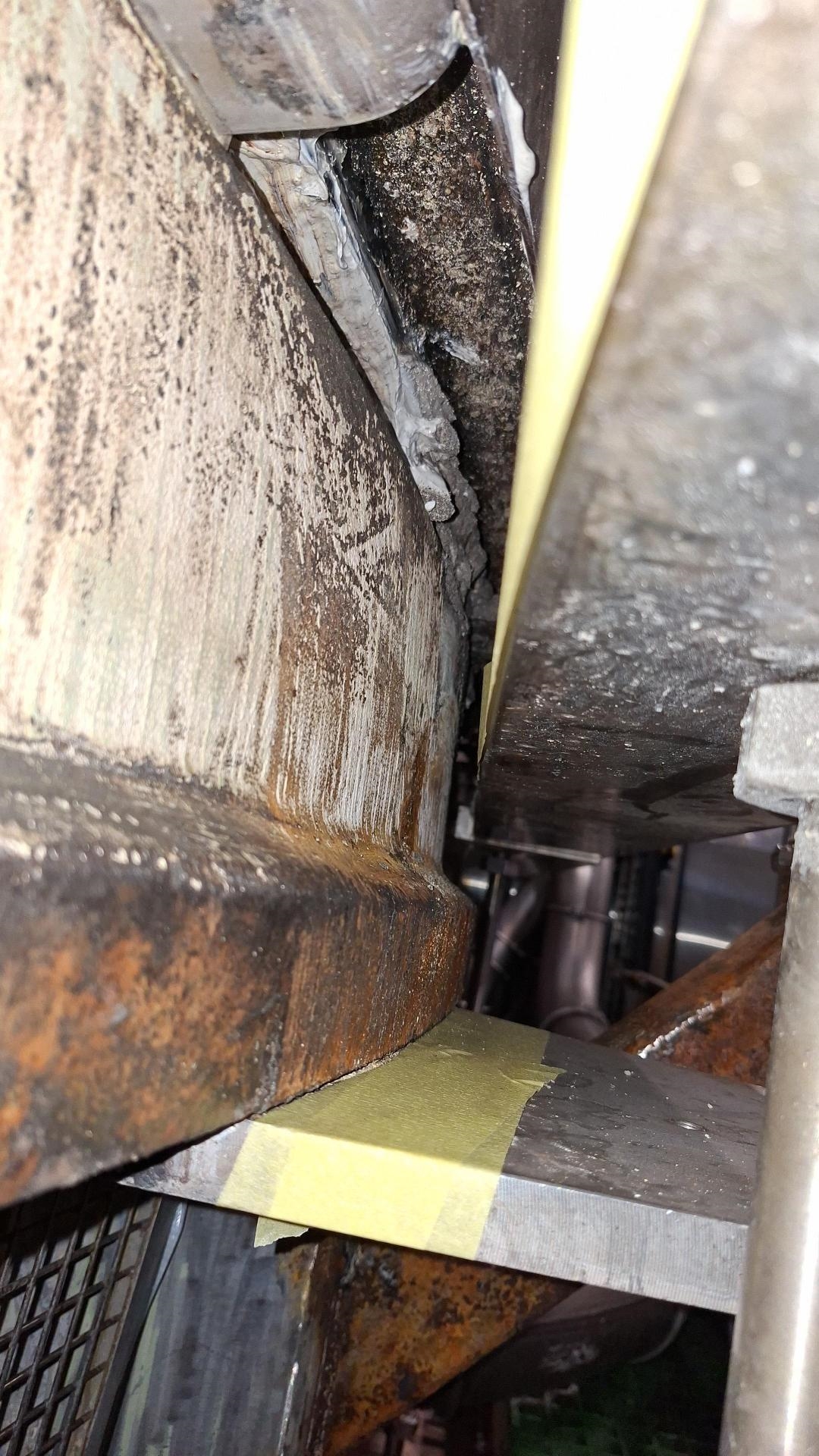
Previous coatings had proven inefficient and underlying steelwork was insufficiently protected
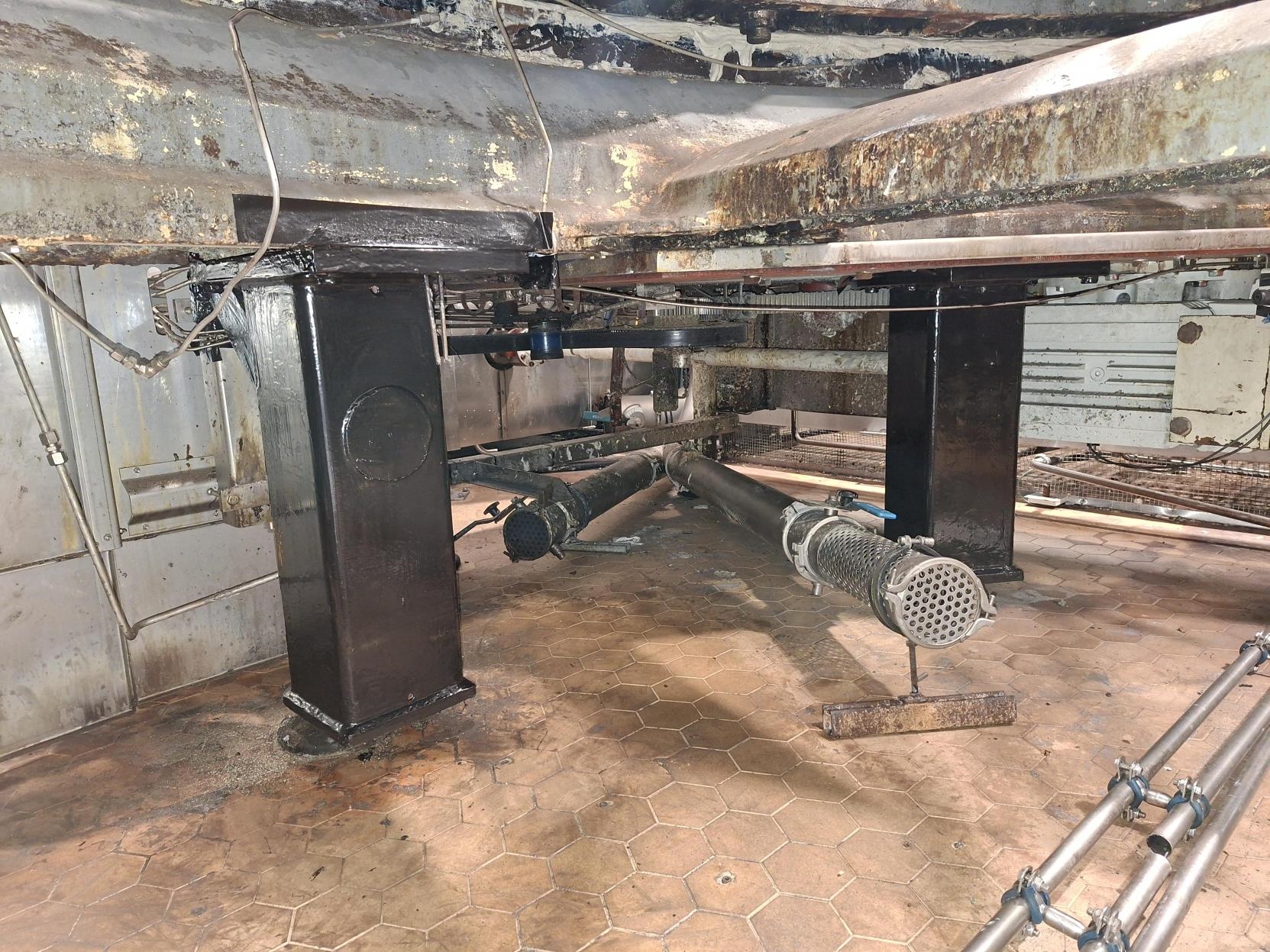
Support structures required a long term solution against chemical attack
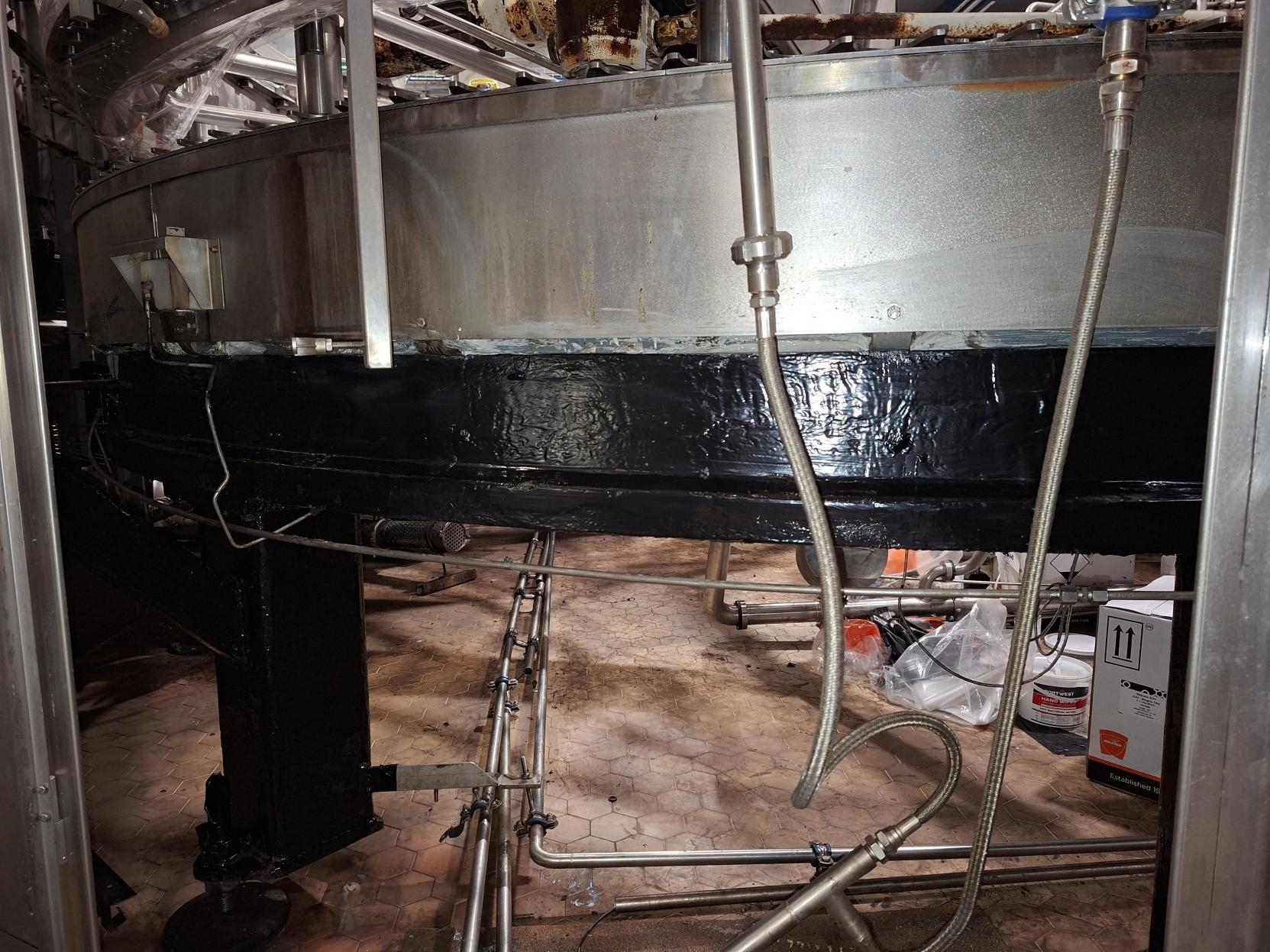
Belzona 4341 was applied as a long-term solution for protection against chemical attack
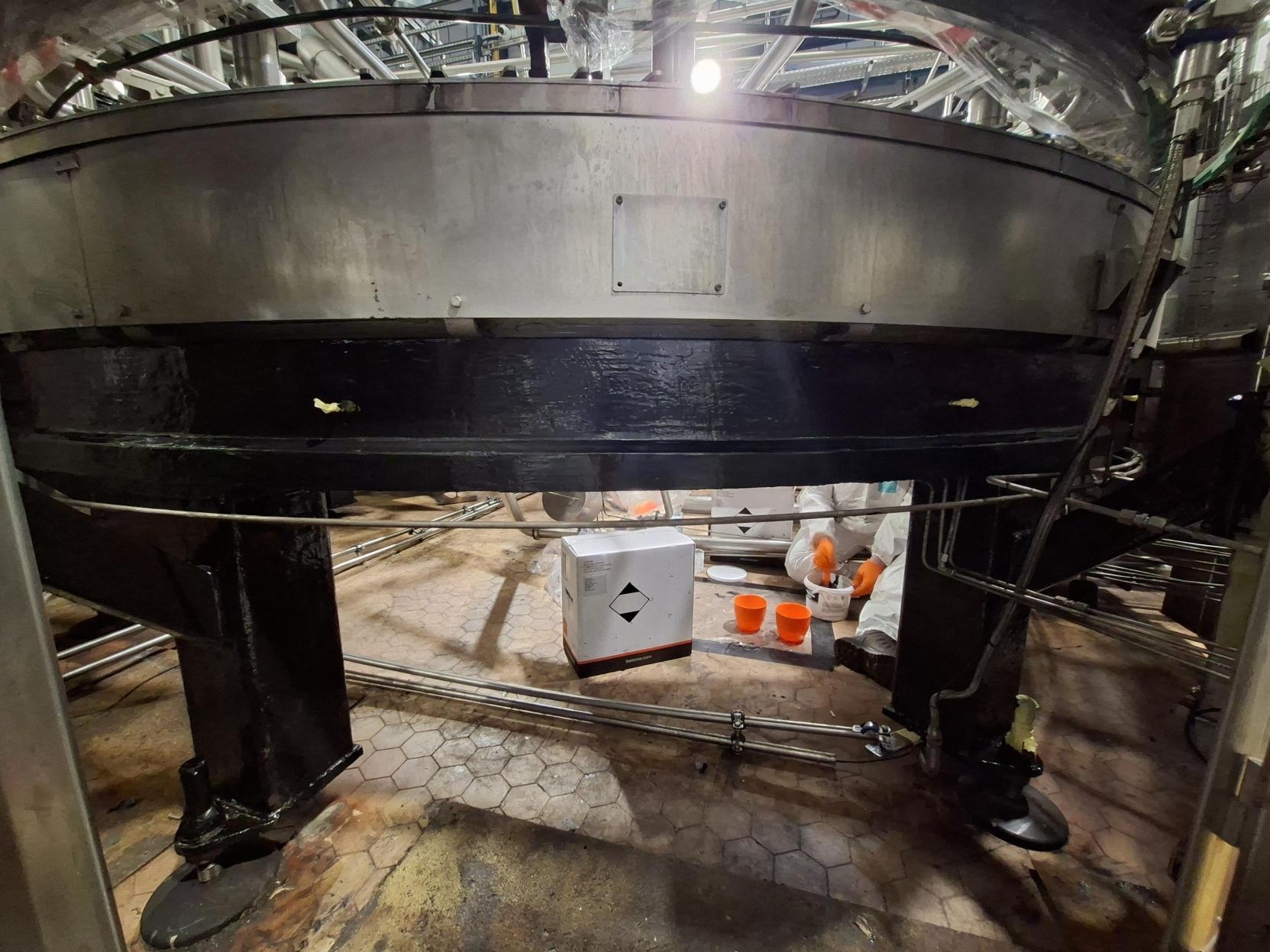
Completed application of Belzona 4341 enhances durability and extends operational life of support structure
Application Situation
Over time, the support structure has been coated with various paint systems. Unfortunately, these have not performed as intended and were breaking down at an accelerated rate, leaving the underlying steelwork insufficiently protected.
The local Belzona distributor was requested to provide a suitable solution that can be applied to the framework to deliver long-term protection against chemical exposure, enhance durability, and extend the operational life of the support structure.
Application Method
The filler line was taken offline and fully isolated to enable safe access to the affected structure. All surfaces were cleaned to remove contaminants, followed by surface preparation to achieve an appropriate surface profile for coating adhesion. Belzona® 4341 was applied in two coats at a target thickness of 400 microns per coat, forming a continuous, chemically resistant barrier designed to protect against acidic attack and environmental exposure.
Belzona Facts
Belzona provided a more durable outcome by addressing the repeated failure seen with previous coating systems, which were unable to withstand the aggressive chemical cleaning regime. Instead of requiring frequent maintenance or reapplication, the solution created a more resilient barrier that better suited the operating environment. As a result, the support structure gained extended service life with reduced disruption compared to earlier alternatives.