Belzona Immersion Coating Used in Heat Exchanger Water Box

KHIA ID: 10279
Industry: Power (POWR)
Application: HEX-Heat Exchangers (HEX)
Substrate: Carbon steel
Customer Location: Gyeongsangbuk-do, South Korea
Application Date: January 2026
Products: Belzona 1111 (Super Metal),Belzona 5811 (Immersion Grade)

Problem: The existing coating on the carbon steel heat exchanger water box had deteriorated over time due to aging, continuous operation, and exposure to foreign matter within the system. The loss of coating integrity led to surface corrosion and contamination, increasing the risk of further degradation and reduced equipment reliability. As the heat exchanger operates within a nuclear power plant system, restoration of the protective barrier was required to maintain long-term asset protection and operational performance.
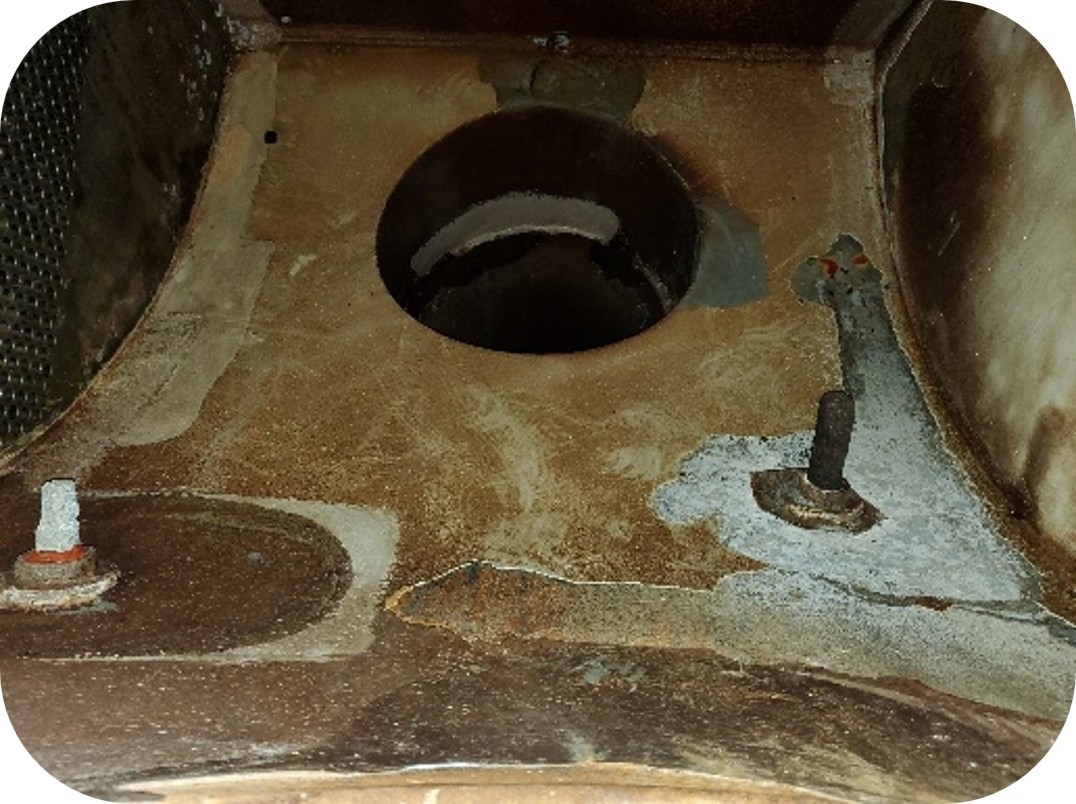
Heat exchanger water box was found damaged as the existing coating had failed
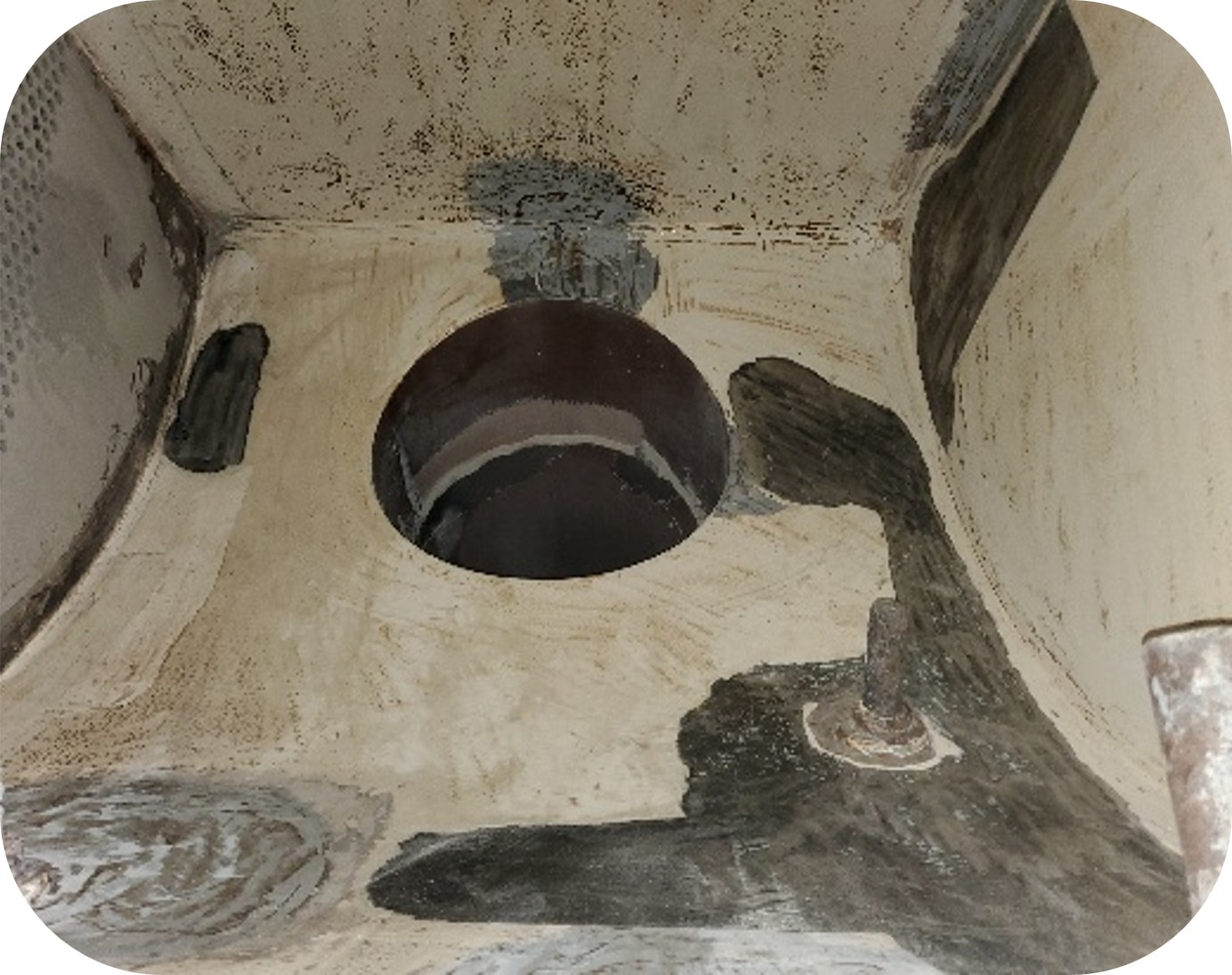
Power tools were used for surface preparation and to remove all loose materials
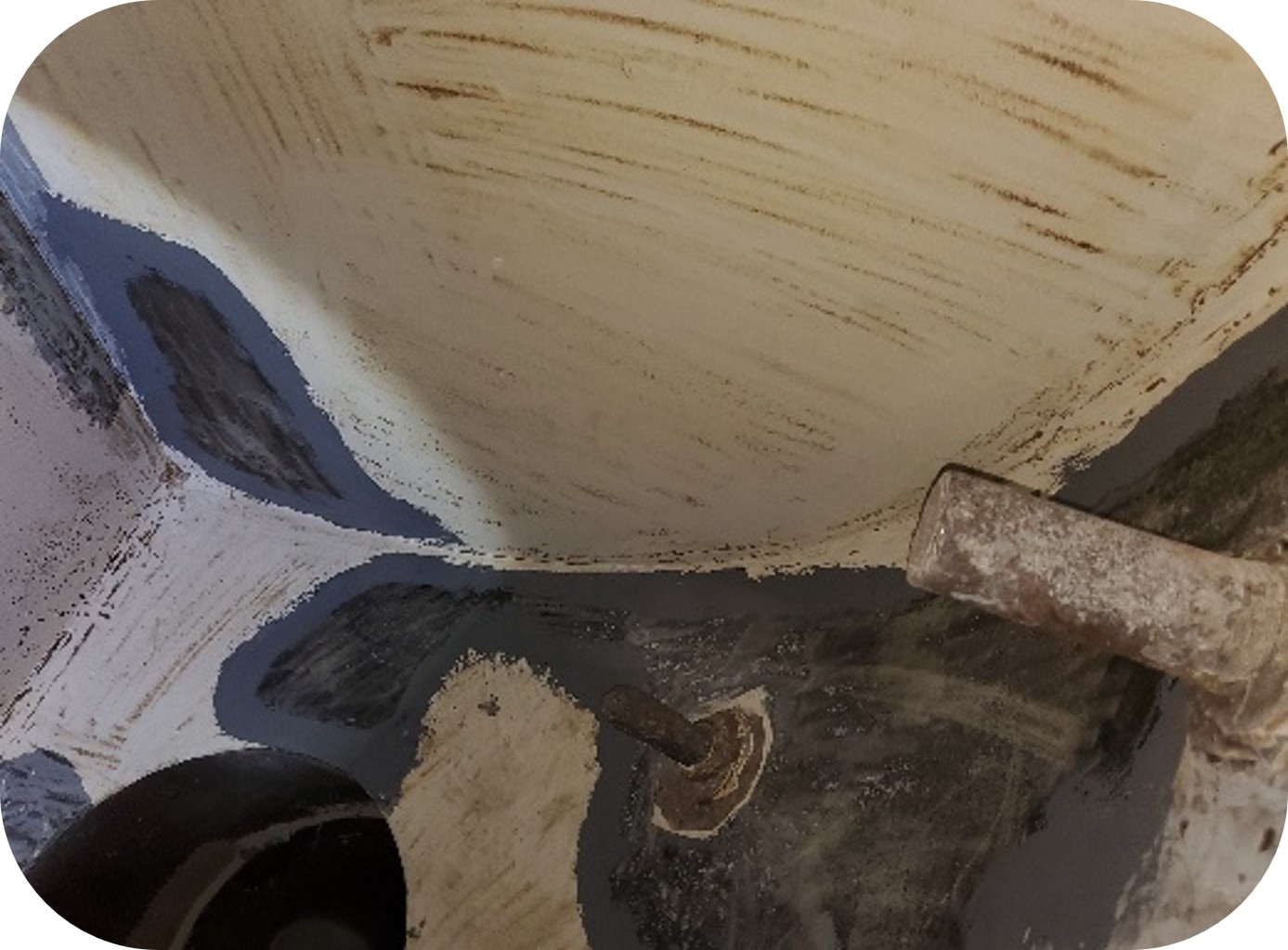
Belzona 1111 (Super Metal) was applied to rebuild the surface
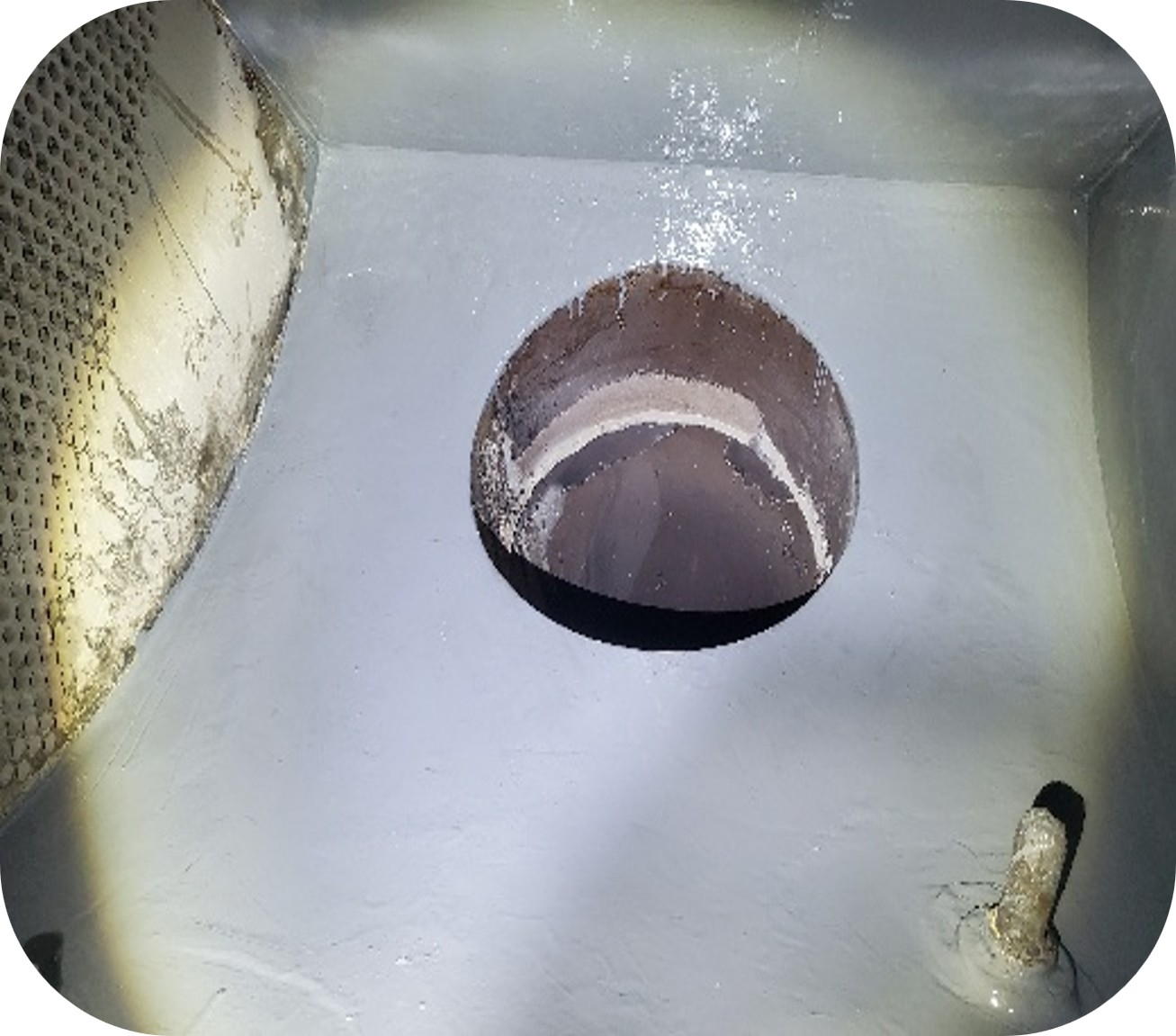
Belzona 5811 (Immersion Grade) was applied to protect the water box from immersed condition

Application Situation
The failed coating and loose materials were removed from the heat exchanger water box before surface rebuilding was carried out using Belzona 1111 (Super Metal). Due to intermittent moisture exposure during operation, Belzona 5811 (Immersion Grade) was selected and applied to provide long-term corrosion and moisture protection for the carbon steel surface.
Application Method
1. The deteriorated and contaminated coating was removed to ensure proper surface preparation and long-term repair performance.
2. Belzona 1111 (Super Metal) was applied to rebuild and restore the damaged areas of the carbon steel heat exchanger water box.
3. After the repair material had fully cured, two coats of Belzona 5811 (Immersion Grade) were applied to provide corrosion and moisture protection under intermittent wet service conditions.
Belzona Facts
The Belzona system was selected because it provided both repair and long-term protection for the damaged heat exchanger water box. The repair materials restored the deteriorated carbon steel surface, while the protective coating system helped prevent further damage caused by moisture, contamination, and operating conditions within the nuclear power plant. This solution helped extend equipment service life and improve asset reliability without the need for replacement.