Downloading PDFs

Please wait while your PDF(s) download.
Please wait while your PDF(s) download.
KHIA ID: 10365Industry: Power (POWR)
Application: VPF-Valves, Pipes and Fittings (VPF)
Substrate: Stainless-steelCustomer Location: Quincy, MA
Application Date: September 2026Products: Belzona 1212,Belzona 7311,Accessories,Belzona 9611 (ES-Metal)
Problem: The Customer has multiple small pipes in the switch yard with active 70+ psi SF6 leaks. SF6 leaks are a serious issue in the power industry and naturally downtime and a quick fix that can cater to the customers schedule is essential. Replacement of the pipes and degassing the whole system was out of the question, so the customer reached out to Molecular Systems of New England for a solution. They were able to isolate the pipe sections where the leaks were happening, and bring the pressure down to 0 psi. The customer needed a quick return to service, with back online time within 24 hours. Having a solution that could be built around the current pipe geomoetries, not taking anything down or removing structures was an important piece of the puzzle to allow for the customer to keep the switch active.
Sulfur hexafluoride (SF₆) is widely used as an insulating and arc-quenching gas in high-voltage electrical equipment because of its excellent dielectric properties. Sealing SF₆ gas leaks is critically important for environmental, economic, and operational reasons. SF₆ is one of the most potent greenhouse gases known, with a global warming potential thousands of times greater than carbon dioxide and an atmospheric lifetime of several thousand years. Even small leaks can significantly contribute to climate change.
From an operational perspective, maintaining the correct SF₆ pressure ensures the safe and reliable performance of switchgear, circuit breakers, and transformers. Gas leaks can reduce insulation strength, increasing the risk of electrical faults, equipment failure, and costly outages. Additionally, replacing lost SF₆ gas increases maintenance expenses and regulatory compliance costs.
Effective leak detection, timely repairs, and proper sealing practices help protect the environment, enhance equipment reliability, reduce operating costs, and support compliance with environmental regulations, making SF₆ leak prevention a critical responsibility for utility and industrial operators.
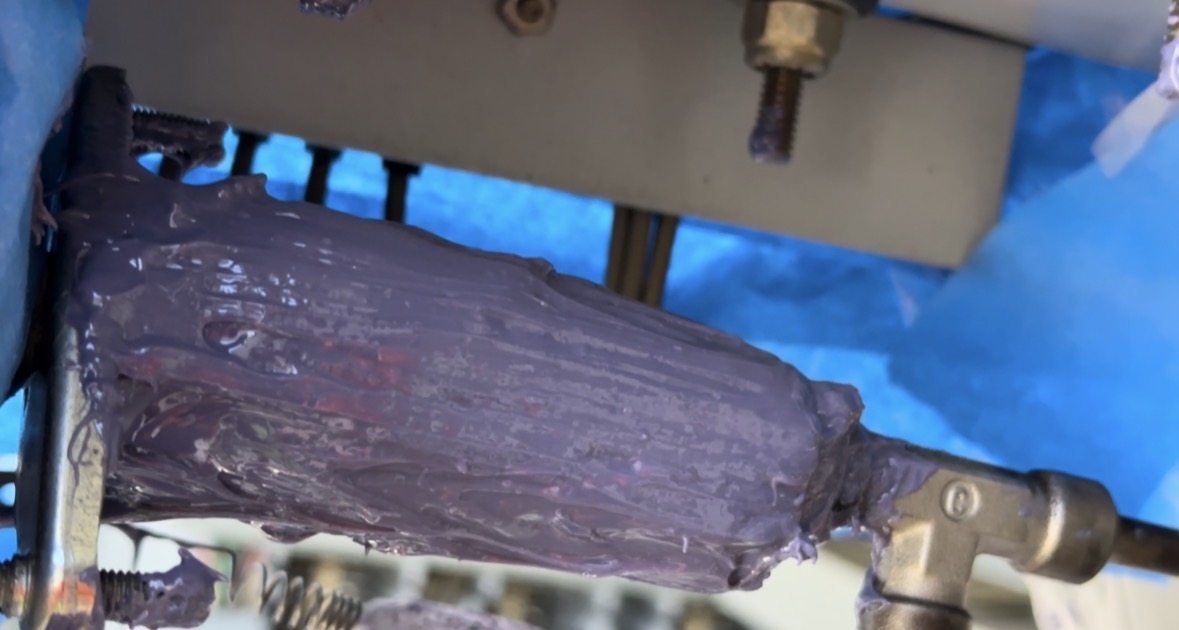
Leak 1, AFTER
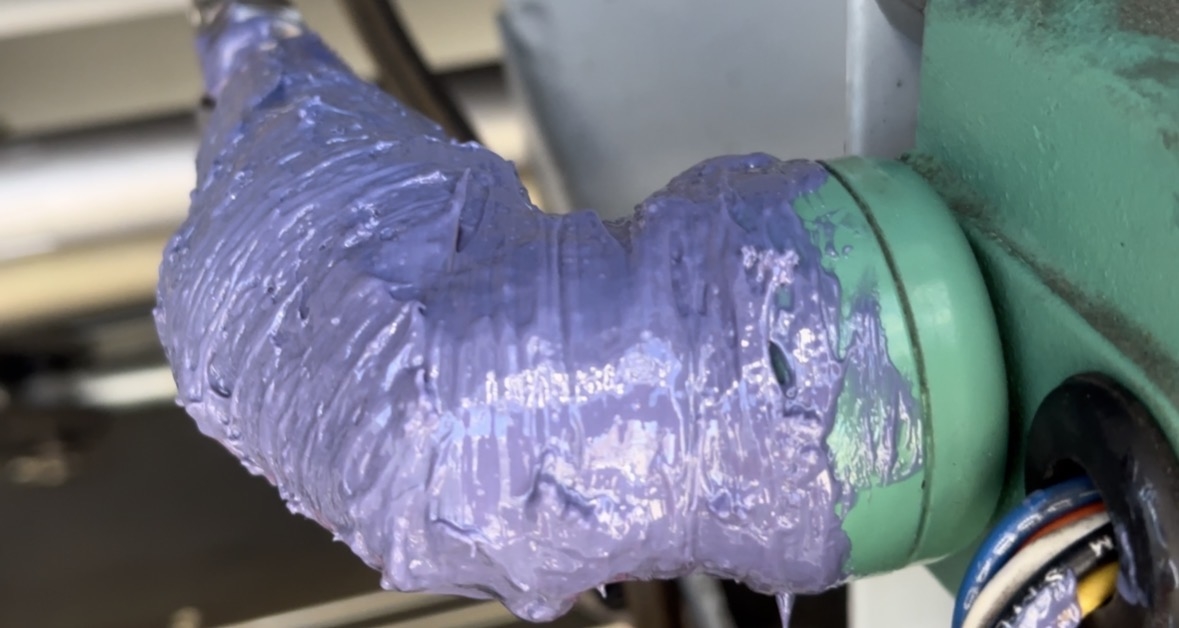
Leak 2, AFTER
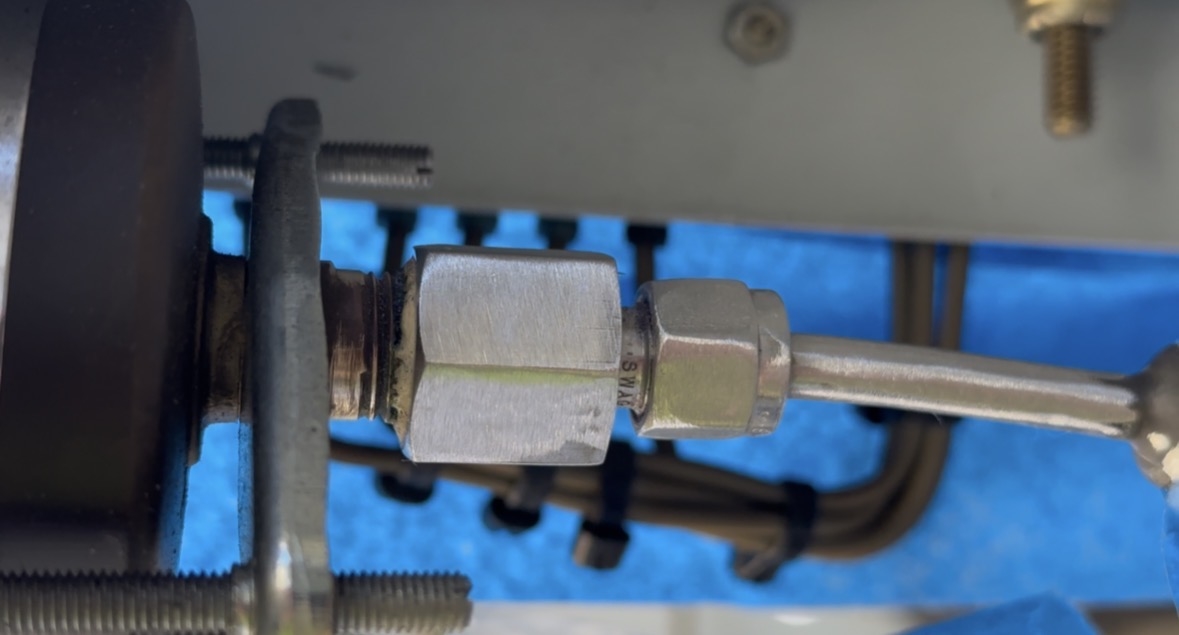
Leak 1, BEFORE
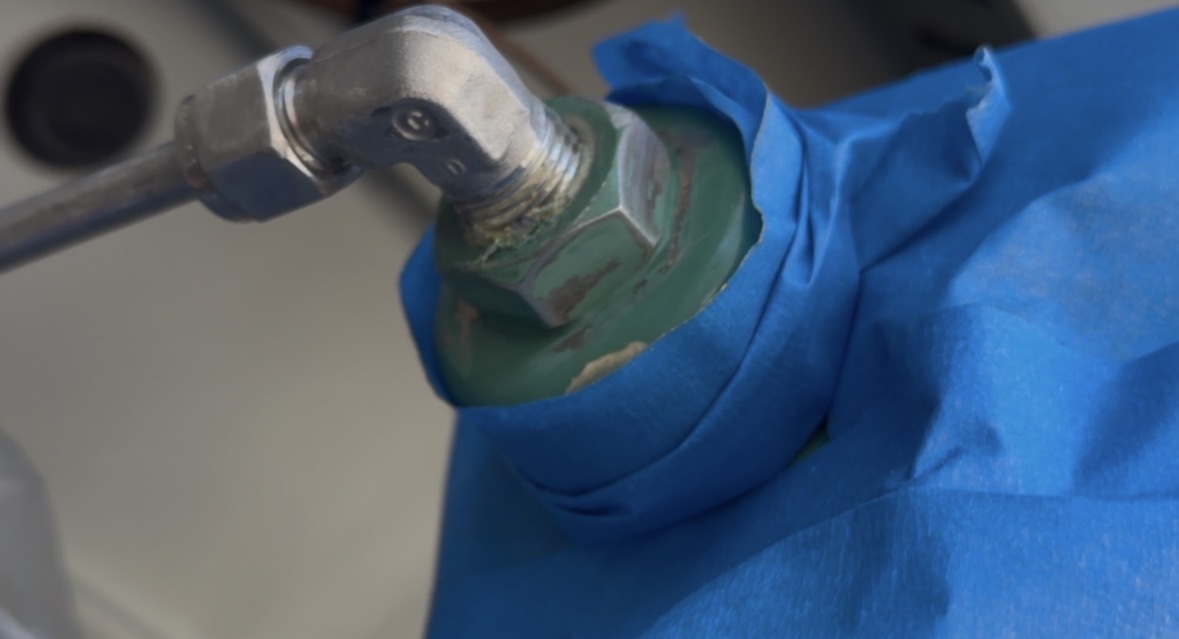
Leak 2, BEFORE